
Internal links are plumbing, not decoration
13 August 2026 · Structure
A page with nothing pointing at it is a page nobody will fetch often and nobody will stumble upon. Internal links are the cheapest, least glamorous lever you have, and on most sites they are placed by accident.
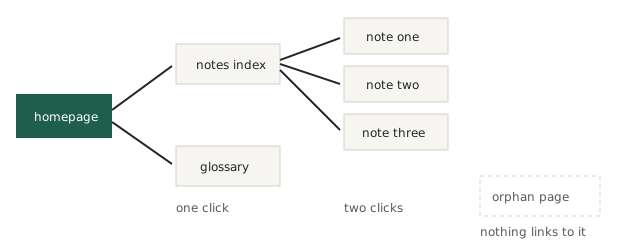
Three jobs at once
An internal link tells a reader where to go next, tells a crawler that an address exists and is worth requesting, and describes the destination through the words used in the link. The third job is the one most often wasted. A link reading "click here" performs the first two and throws away the third.
Find the orphans first
Take the list of addresses in your sitemap. Take the list of addresses linked from somewhere on the site. The difference is your orphan set, and it is usually larger than expected: pages that were linked from a homepage module that has since been replaced, or from a listing that has scrolled past its last page.
Fix orphans by finding the page that ought to have mentioned them. There is nearly always one, and the link belongs in the body copy where the subject comes up, not in a block of related links pasted at the bottom.
Link text that carries meaning
Use the words a reader would use for the destination. Vary them naturally between links, because a page linked forty times with one identical phrase looks manufactured, and because different phrasings describe different facets of the same page. Keep the phrase inside a sentence that would make sense read aloud.
Where links do the most work
Links inside body copy are read, followed and understood in context. Links in a sidebar or footer are boilerplate: they repeat on every page and are treated accordingly. Both are useful; only one is persuasive. If a page matters, it needs at least one link from inside the text of a page about the same subject.
Two habits worth adopting
First, when publishing something new, spend ten minutes adding links to it from two or three older pages. This single habit does more for reachability than any automated related-posts module. Second, when retiring a page, search for links pointing at it and repoint them, rather than leaving them to a redirect that will outlive everyone's memory of why it exists.
Permalink: /notes/internal-links-as-plumbing/